The University of Melbourne Herbarium
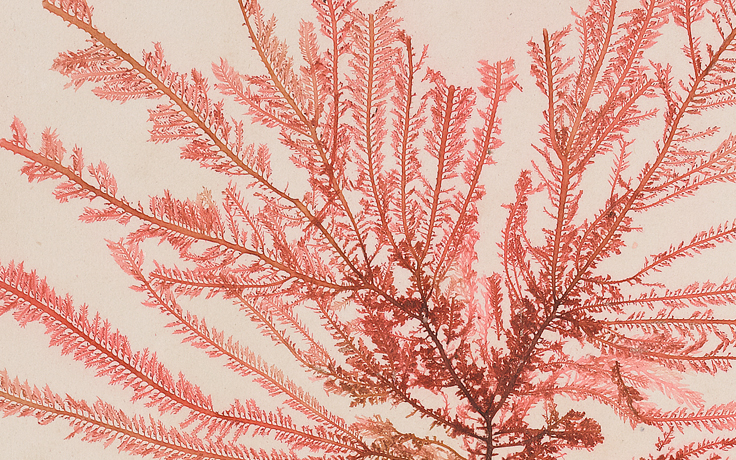
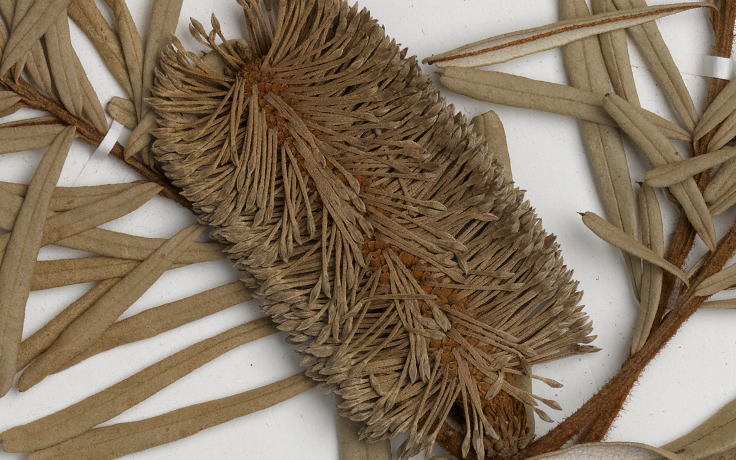
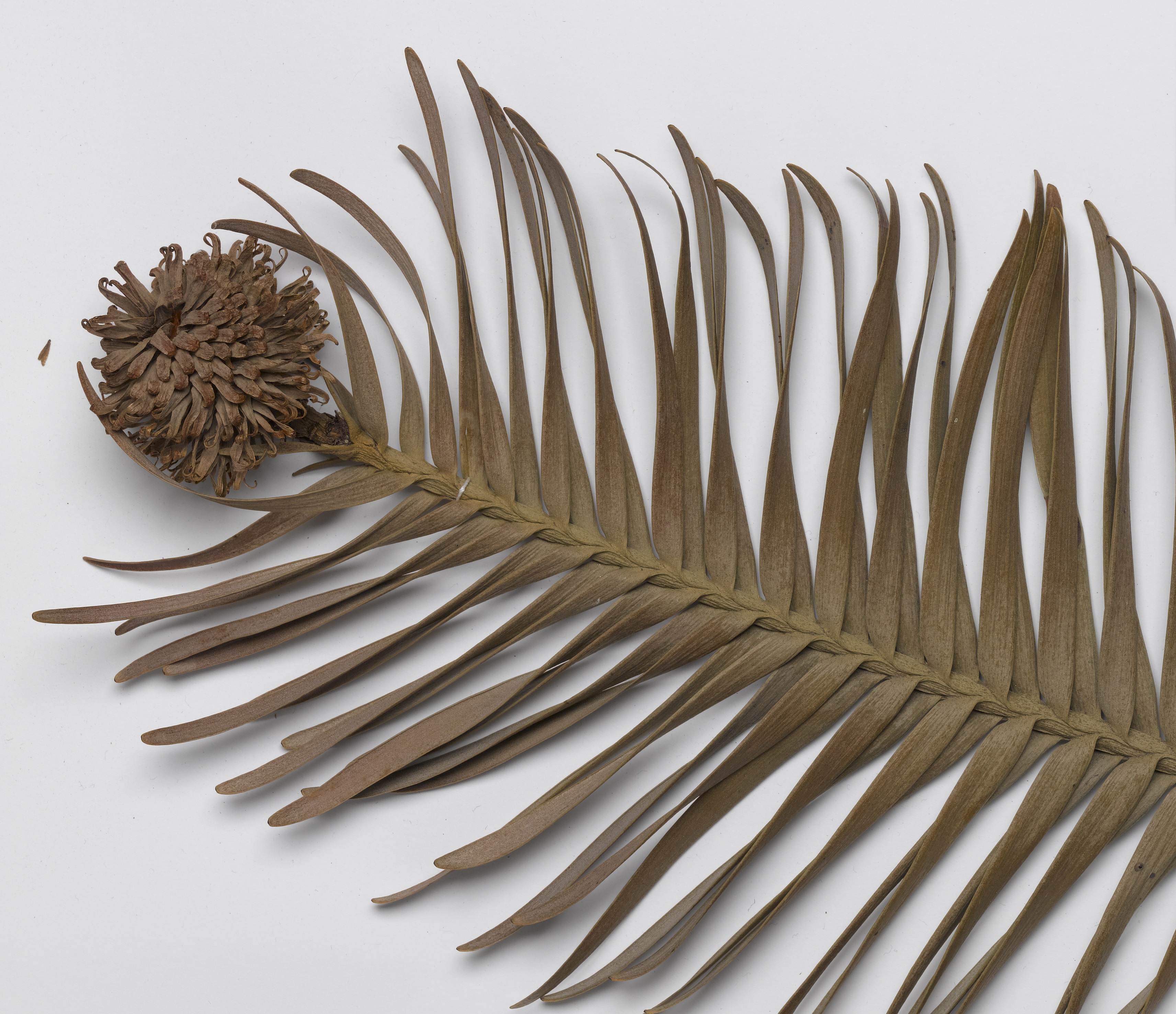
Built up over nearly a century, Australia's largest herbarium houses 150,000 specimens of plants, ferns, bryophytes, algae and fungi, including historically important objects and artwork.
Explore the Herbarium
-
Strategic plan and acquisitions policy
-
Access
We welcome requests to access specimens at the Herbarium, arrange inter-institutional loans, or visit the Herbarium on a tour.
-
Collections
A growing proportion of our collection has been digitised and is available to the public online.
-
Volunteering
Our volunteers play a vital role in the Herbarium, helping with expanding and managing the collection. We welcome expressions of interest from new volunteers.
-
Resources
Guidelines on how to collect, prepare and label specimens, plus links to other herbarium focused resources.
-
About the Herbarium
Contact the University of Melbourne Herbarium. Find the researchers associated with the collection.
Latest news
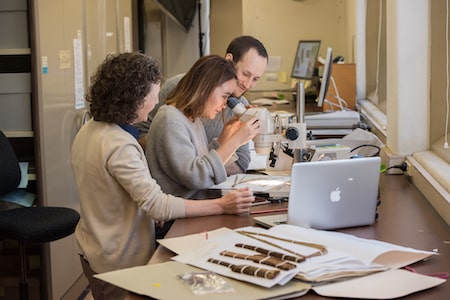
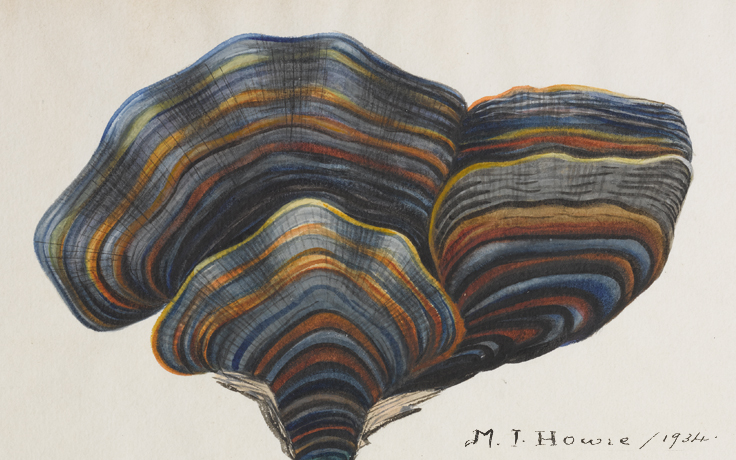
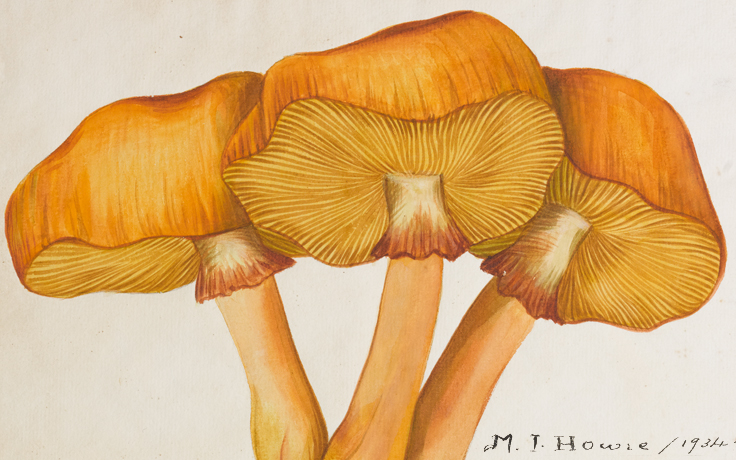
The University of Melbourne Herbarium has recently received funding from the Russell and Mab Grimwade Fund to curate its fungi collection, which contains approximately 3,500 specimens contributed by UoM academics over many years.
Conservation and cataloguing will no doubt bring some fascinating stories to light, while digitisation will enable access by scientists and the global public.
-
Established in 1926, we are the largest university herbarium in Australia, with an estimated 150,000 specimens.
We house collections of flowering plants, ferns, bryophytes, algae and fungi, as well as historic botanical objects and artwork.
The oldest plant specimens were collected by Banks and Solander in 1770, and new specimens, collected by University staff and students, are being continually added.
MELU is an invaluable resource for scientists, underpinning research on taxonomy, systematics, ecology and conservation.
-
- Provides records of plant distributions over time, informing research into the impacts of climate change and habitat loss.
- Supports taxonomic research, increasing knowledge of Australian biodiversity and plant classification for conservation biology and biosecurity.
- Is a source of plant DNA, extractable from historical and modern collections for genetic analyses.
- Engages with international researchers, facilitating scientific exchanges through specimen loans and images.
- Plays an important role in teaching to undergraduate and graduate students studying plant science, ecology, forestry, agriculture, cultural materials conservation, curatorship and fine arts.
- Contributes to the cultural and engagement program of the University, through a volunteer program, tours, exhibitions and alumni events.
- Complements the National Herbarium of Victoria, through collaborative research and student training.
- Contributes to national and international biodiversity data through Australia's Virtual Herbarium (AVH) and Atlas of Living Australia (ALA), which feed into international biodiversity data portals such as the Global Biodiversity Information Facility (GBIF).
-
With the help of our generous donors through the University of Melbourne Botany Foundation, we have made significant progress towards our goal of $1 million held in trust as the “Herbarium Fund”. Investment earnings in the Fund will provide support for the University of Melbourne Herbarium.
Read about Herbarium based research and curation projects supported by the Botany Foundation in their Annual Report for 2018 [PDF].
With your support, we could do even more to make the Herbarium’s holdings as accessible and widely available as possible.