Humans of BioSciences: Anthony Boxshall
Meet Anthony Boxshall, an Enterprise Fellow who helps bridge the gap between research and the real-world. Anthony speaks Science, Government and English, helping researchers navigate the path from discovery to impact. Outside of work you’ll find Anthony hosting a radio show, cooking, reading or exploring the coast.
What do you do in the School?
I'm an Enterprise Fellow with a focus in Integrative Environmental Research. In simple terms, I help researchers translate their work into real-world impact. That can be by supporting someone building confidence and skills to engage with government or industry, connecting researchers with other organisations working on complex environmental challenges, or even be the translator from academic language to government language and helping everyone involved better understand each other's goals. I think success isn't just another paper or patent, it's seeing research change policy, practice or decision-making in ways that make a genuine difference.
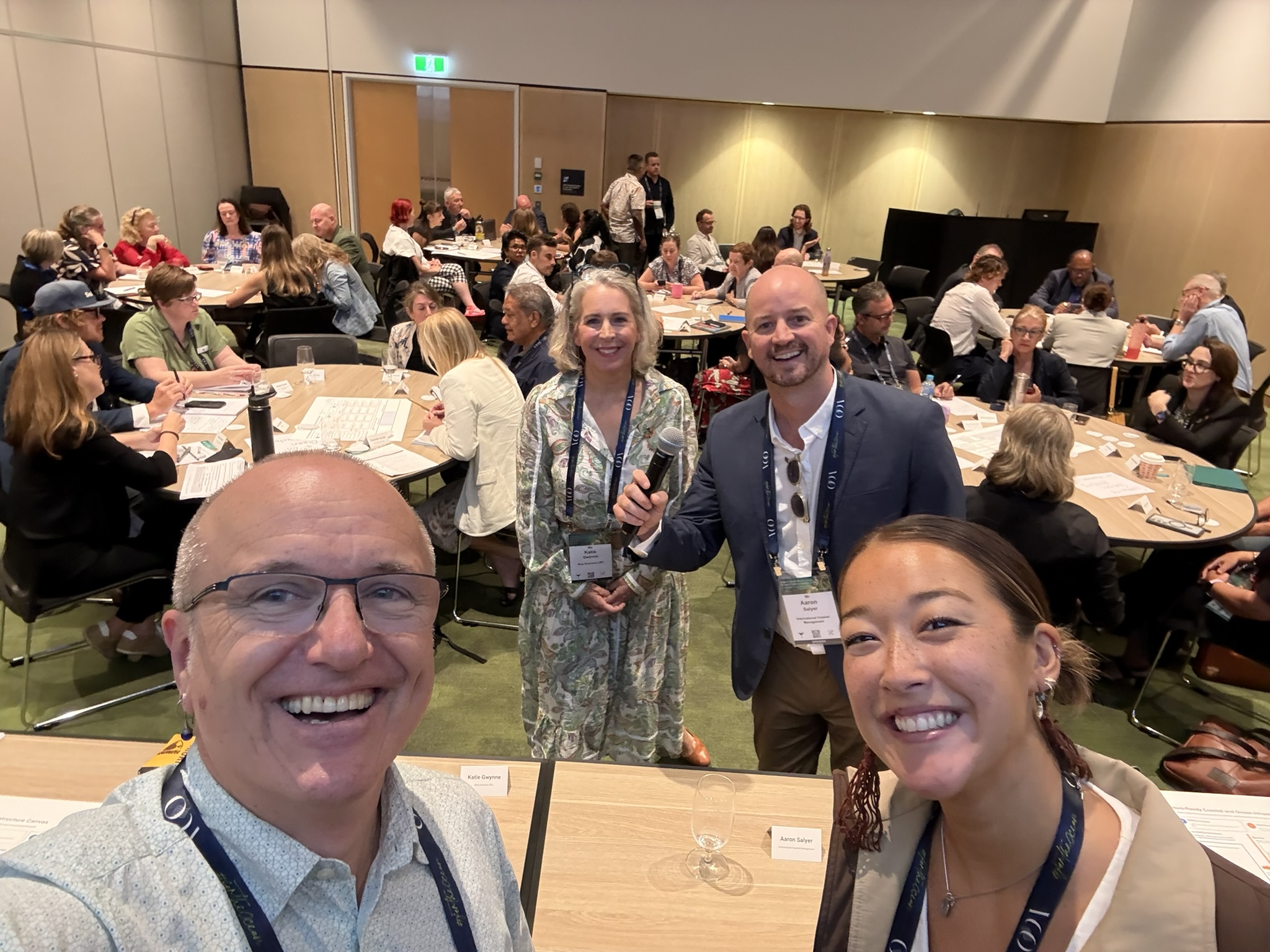
Anthony at the Ocean Business Leader Summit (Cairns, 2026)
How did you end up in this role?
I'm a recovering academic! I completed a PhD in marine ecology and a postdoc in the US before realising I was more interested in what research could do than in doing the research itself. That led me into government, where I spent around 15 years learning how science informs policy and where the opportunities for evidence-based decision-making really are. After that, I started my own consultancy, Science into Action, helping research organisations, governments and industry work together to find the best solutions to environmental challenges.
Looking back, every career change involved learning new skills but the biggest challenge was often changing my own identity. Letting go of the idea that I was going to be a traditional academic wasn't easy but it ultimately led me to work that suits me much better.
How can people in the School work with you?
If you've got an idea that could have impact beyond academia, come and have a chat. You don't need a polished pitch, just curiosity. We can talk about what impact might look like, who could benefit from your research and how to start building the right connections. Sometimes that's introducing the right people but sometimes it's simply helping researchers navigate a part of government or industry that's unfamiliar.
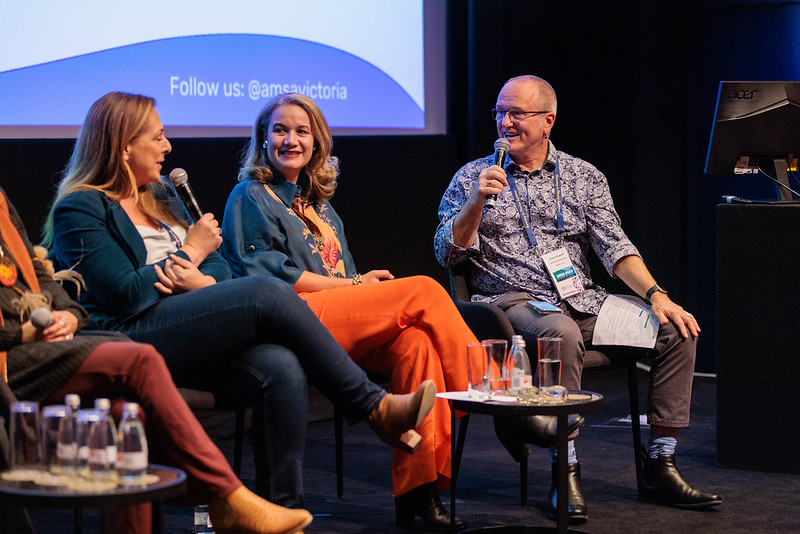
Anthony as part of the panel “Marine science to drive change” at the 2025 Australian Marine Sciences Association (AMSA) Conference
Do you have any advice for students and early career researchers?
One of the biggest lessons I've learned is that there are many fulfilling ways to be a scientist outside a university. Most science actually happens in government, industry, consultancies and NGOs. If you enjoy solving problems and applying evidence, there are incredible careers beyond academia where you'll still be doing science every day. Given how few researchers end up staying in academic positions, it's worth seeing those alternative pathways as exciting opportunities rather than second choices.
What do you enjoy outside work?
You would most likely find me outdoors, walking, snorkelling or exploring the coast. I host a community radio program called Radio Marinara, all about marine and coastal environments. It’s on every Sunday at 9am on RRR 102.7FM.
But I also love cooking, especially in winter, and reading. At the moment, I'm reading a collection of essays by the great Margaret Atwood and the latest by Jeanette Winterson, One Aladdin Two Lamps. I’m also brushing up on the history of Cambodia ahead of an upcoming trip. And to keep up with topics well outside my expertise, I'm an avid long-time listener of podcasts including This American Life, its spinoff Planet Money and This Is Politics.
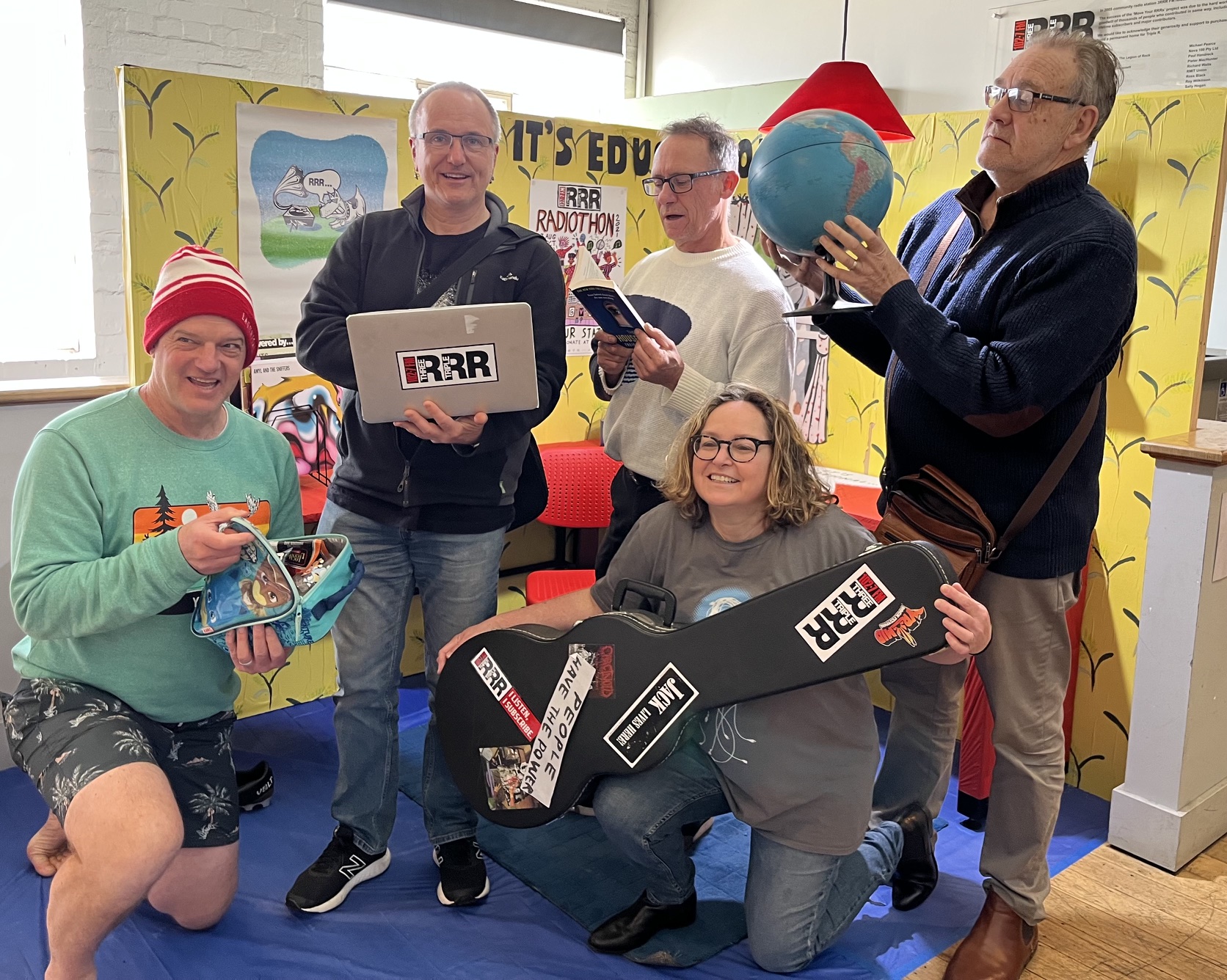
Some of the Radio Marinara team during Radiothon 2023
What are you most looking forward to in the next 6 months?
There are several exciting collaborations in the School reaching key funding and decision points, including projects on microplastics with Suzie Reichman and nature-based solutions with Rebecca Morris and colleagues in the Melbourne School of Design.
More broadly, I'm excited to see universities gradually placing greater emphasis on research impact. Excellent science doesn't stop at publication, it also creates positive change. I think we're moving towards a future where helping research make a real difference is recognised as an essential part of academic excellence.