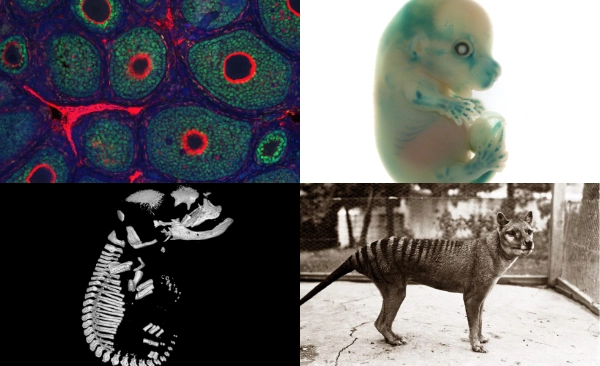
Philanthropic support has given us the exceptional opportunity to establish a unique research initiative at the University of Melbourne.
We established the Thylacine Integrated Genetic Restoration Research (TIGRR) Lab, through the generous ongoing support of the Wilson Family Trust. This initiate has been further supported by the Colossal Foundation and Colossal Biosciences – all of whom recognise the importance of a world-leading, Australian-based response to the global species extinction crisis – as demonstrated through its existing investment in the Pask Lab’s pioneering research at the University of Melbourne.
Australia is the ideal host country for such a research initiative, as both an epicentre of biodiversity loss and a locus of the cutting-edge conservation science seeking to end species extinction. Our country has the highest rate of mammal extinctions in the world, and the situation is only expected to worsen with the effects of climate change and habitat loss. No country has greater need, nor potential for greater impact.
Responding to this urgent issue, work conducted at the University of Melbourne, particularly through the TIGRR Lab, is at the forefront of global de-extinction technology, developing critically needed new tools to prevent animal extinctions and restore balance to Australia’s ecosystems.
Philanthropy has played a critical role equipping its visionary leader with the means to progress their vital conservation research with the aim to reverse the negative ecological impacts of species loss, while unlocking unknown conservation benefits in the research process.
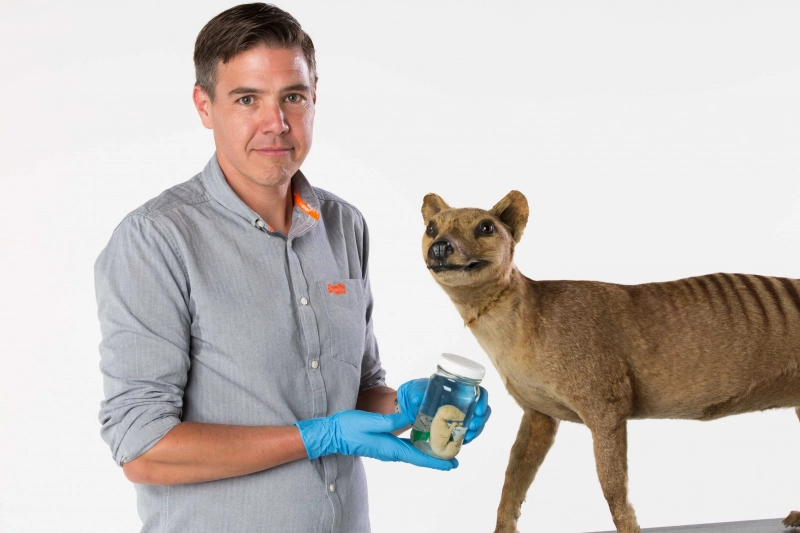
For example, while the TIGRR Lab led by Andrew Pask continues to make great strides towards the de-extinction of the Tasmanian tiger, gene-editing innovations emerging from this research have shown enormous potential benefits for preservation of the endangered northern quoll. Advances in genomic science made through this project also have vast implications for the development of precision care and are currently being used to save the Northern quoll from extinction driven by invasive cane toads.
Support the TIGRR Lab
Philanthropy has already helped the TIGRR Lab transform what’s possible for wildlife and our planet. You can help continue that change.